
George Pocock's Craft and Legacy
The Boys in the BoatThis thread follows George Yeoman Pocock from apprentice boatbuilder to the mentor whose craft and philosophy shape Washington rowing.
increasing Bearing strength in each event
 decreasing
Bearing strength in each eventdecreasingLearning the Boatbuilder's Trade
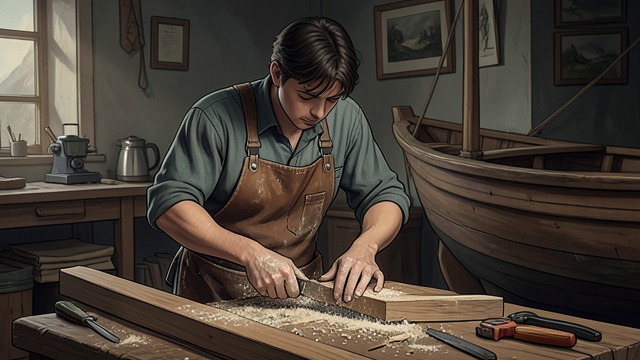
Skill at Eton
Apprenticeship
George Yeoman Pocock grows up around boatbuilding and formally apprentices to his father. He learns to work wood carefully and studies the efficient style of the Thames watermen.
A Personal Ideal
Pocock pursues precision in both craft and speech. His early dedication becomes the basis of a career devoted to elegant boats and the habits of careful effort.
A New Life in Vancouver

Work on the Pacific Coast
Arrival
George and Dick Pocock leave England for Canada, facing uncertain work and hard conditions. They eventually establish a floating workshop in Coal Harbour and begin building shells.
Meeting Conibear
Hiram Conibear discovers their shop while struggling to row. His request for a Washington fleet leads George toward a long relationship with the university’s rowing program.
The Cedar Innovation
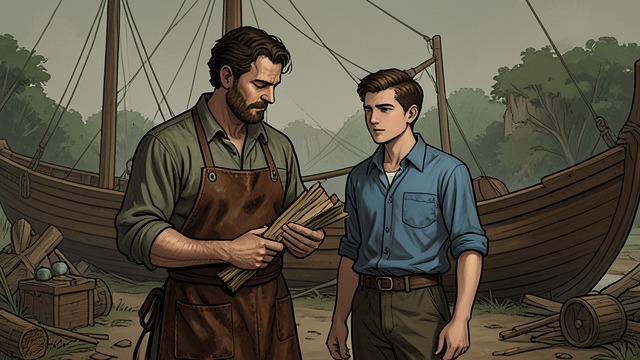
A Different Shell
Experiment
Pocock begins using western red cedar rather than relying on imported Spanish cedar. Its lightness, flexibility, and ability to hold a carefully shaped curve allow him to build shells with unusual resilience.
Reputation
The resulting boats are beautiful, durable, and fast. Pocock’s craft becomes a competitive advantage for Washington and a standard sought by programs across the country.
A Mentor Notices Joe
Seeing the Rower's Problem
Attention
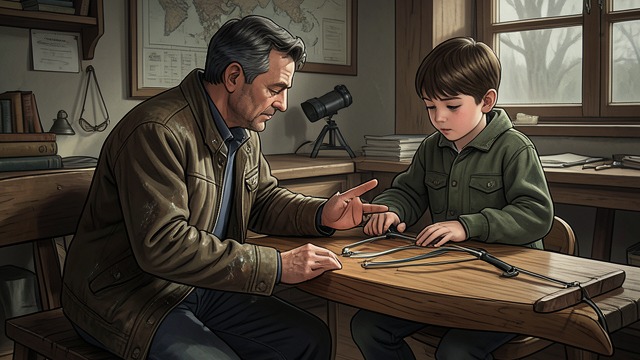
Pocock notices Joe Rantz’s inconsistency and recognizes that technical correction alone will not resolve it. He speaks to Joe about his life, the wood, and the need to trust other people.
Influence
His counsel helps Joe understand that yielding and cooperating need not mean weakness. Joe’s rowing changes when he enters a boat where he feels able to trust his crewmates.
A Craft Passed Forward
Work That Outlasts Its Maker
Recognition
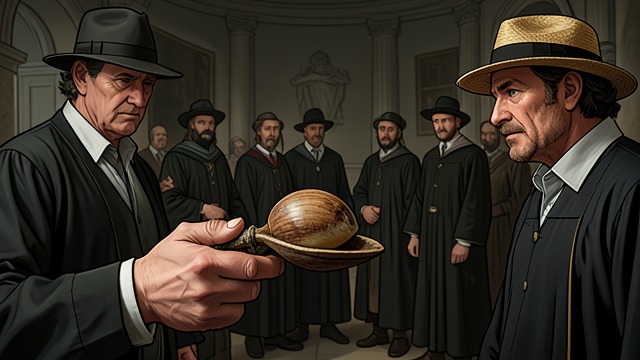
Pocock’s shells remain central to competitive rowing, and he continues to build and advise after the Olympic victory. An order from Oxford gives him particular satisfaction because it recognizes the craft he developed in the West.
Legacy
As materials change, wooden shells become less common, but Pocock’s ideas about resilience, rhythm, and care persist. His influence lives on in the boats and rowers shaped by his work.
Around 1906
1911–1912
1927
Autumn 1935–March 1936
1936–1976
